

It’s fantastic to see school children playing outside in the summer enjoying the fresh air and sunshine.
But as our climate changes and we experience more frequent and intense heatwaves, there’s a growing risk of sunburn and heatstroke among children.
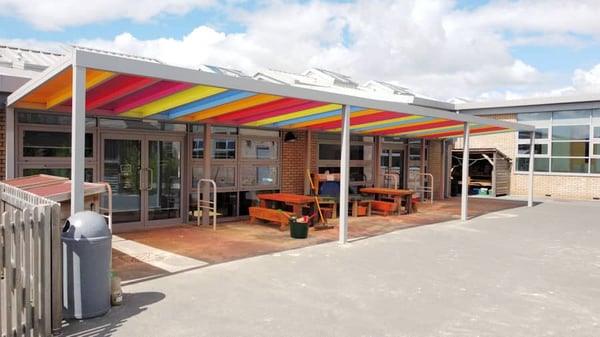
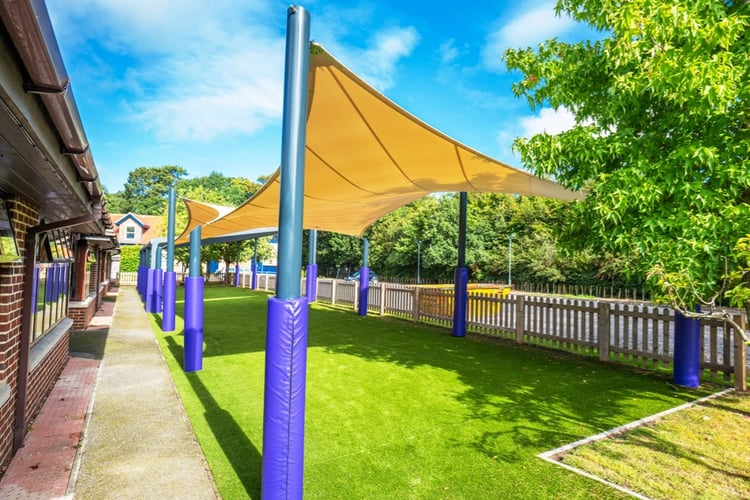
This is why many schools are adding shelters such as shade sails and canopies to their playgrounds, providing protection whilst allowing children to take part in outdoor activities.
Sunshine boosts children's health and wellbeing
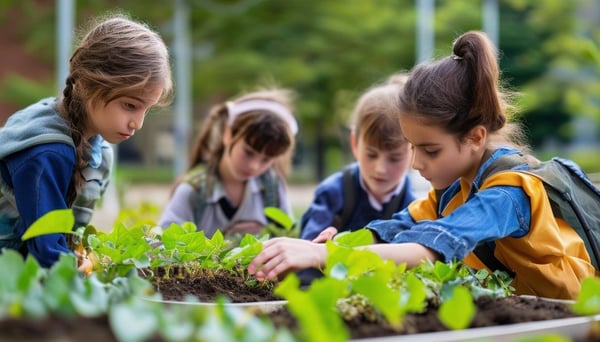
Children love the freedom that sunny days bring. And there’s plenty of research to show playing outside is essential for children’s immune systems and physical health and mental health.
Sunlight provides us with a super dose of Vitamin D, essential for bone growth in children but many schools worry about just how much sun is enough.
In a large study, researchers from Manchester University examined the relationship between the sun and Vitamin D, concluding people with lighter skinned need at least 10 to 15 minutes of sunlight a day between 11am to 3pm.
They found that people with darker skin will need 25-40 minutes in order to synthesize Vitamin D.
Exposure for these short periods is best without sunscreen with forearms, hands and lower legs uncovered. However, on very hot days it’s best to keep out of the sun between these times.
A fine balance
Parents and teachers can sometimes find it hard to balance between a healthy dose of sunshine and risk of sunburn and heatstroke.
On the one hand, a lack of sunlight can cause rickets, a Victorian disease which has unfortunately resurfaced in the UK among some children of Asian, African-Caribbean, and Middle Eastern origin due to their darker skin pigmentation, which requires more sunlight for Vitamin D to absorb.
But on the other hand sunburn in childhood or adolescence more than doubles your chances of developing melanoma skin cancer later in life.
Children’s skin is more delicate and burns easier so they need cover up or protect their skin with sunscreen before their skin starts to turn red and burn.
Heatstroke and heat exhaustion
Children are more prone to heatstroke than adults as their little bodies try and maintain an even temperature, putting strain on their hearts.
Sweating helps us release the heat from our bodies but it’s important for children to drink more water than they usually do to compensate.
Heatstroke can cause a host of symptoms to watch out for including dizziness and fainting, muscle cramps, sickness, nausea, headaches and tiredness leading to heat exhaustion which is a serious condition.
Shade is a must in the playground
A great compromise to allowing children out of the classroom on hot days while keeping them out of the sun and cool is to provide cover in the playground.
Spaceshade canopies and shade sails are a popular choice among schools as our case studies demonstrate because of the wide variety of designs, sizes, shapes and bright colours available.
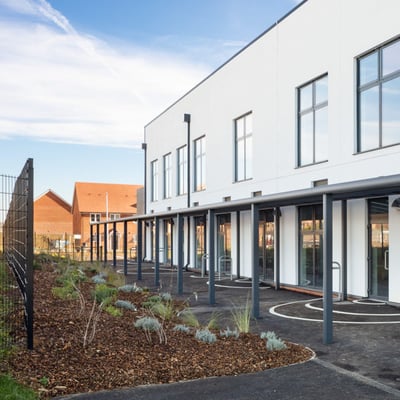
Our canopies are used for outdoor play areas, dining rooms, extra classrooms, sport courts and walkways while our shade sails are perfect for providing a cool shelter in the playground on the hottest of days.
Canopies are three times cheaper than building an extension and are very adaptable so you can add walls and other fixtures like lighting and heating.
Capture the sun for energy
Our canopies also allow a school to become its own energy company by adding solar panels to the reinforced roof.
The panels can be fitted at the time of installation or retrofitted and can provide the school with green energy, slashing bills and its carbon footprint.
Best of all, children can learn all about renewable energy using real time data while schools can offer low-cost EV charging to staff.
If you’d like to find out more about our canopies and shade sails, contact us.